


I have always been someone who finds a way through things.
That is not a brag. It is just how I am wired. I am type A. I am an attorney. When something is broken, my instinct is to identify the problem, build the plan, and execute. When things are hard, my default is to work harder. When I am stuck, I push.
For a long time that approach served me well. And then it stopped working entirely.
After my adrenal crash, once I understood what had happened to my body and what it was going to take to recover, I ran headfirst into something I did not know how to handle.
The answer was not doing more. It was doing the opposite of everything I knew.
The trap of the type A recovery
When I first got my health crash diagnosis, my honest instinct was to attack it.
I wanted to research everything. Take every relevant supplement. Do every cleanse. Build a recovery protocol and execute it with the same energy I had brought to every other challenge in my life. I was going to hustle my way back to health because that was the only framework I had ever operated in.
What I did not understand yet was that hustle was part of how I had gotten sick in the first place.
Your adrenal glands do not recover under pressure. Your nervous system does not heal while you are driving it. The body does not return to a state of calm when you are treating recovery the same way you treat a work sprint. You cannot push your way out of a burnout the way you pushed yourself into one.
A mentor helped me finally see this clearly. And hearing it was one thing. Actually believing it, and then actually doing it, was another thing entirely.
What rest and digest actually means
Your nervous system has two primary modes.
The first is fight or flight. This is the sympathetic nervous system response. It is designed for threat, for urgency, for action. When it activates, your heart rate goes up, your digestion slows, your body mobilizes energy and directs it toward immediate survival. Cortisol and adrenaline flood your system. You are alert, activated, and ready to respond.
The second is rest and digest. This is the parasympathetic nervous system response. It is the mode your body needs in order to repair, restore, and regulate. Digestion works properly. Your heart rate settles. Cortisol comes down. Your cells can actually do the maintenance work they are designed to do.
The problem for a lot of us, and for me particularly at that point in my life, is that we spend almost no time in rest and digest. We have trained ourselves, sometimes over decades, to operate almost exclusively from the activated state. We treat urgency as normal. We are productive when we are resting. We are planning when we are supposed to be sleeping. We are running through scenarios when we are sitting still.
And over time, the body loses the ability to shift out of that state on its own. The nervous system gets stuck in fight or flight because that is where it has lived for so long.
Healing, real healing, required me to learn how to actually come back to the other place. Not perform rest while continuing to run internally. Actually rest. Let go. Stop doing. Sit with the discomfort of not being in motion and wait for my nervous system to remember what calm felt like.
Why this was the hardest thing I have ever done
I want to be honest about this because I think people underestimate it.
Telling a type A person to stop doing things and just rest is not a simple instruction. It goes against the entire internal operating system. Every part of me that had been rewarded for productivity, discipline, and forward motion was now being asked to do the opposite. And not just for an afternoon. For months.
There is a particular discomfort that comes with being still when your nervous system is stuck on alert. It does not feel like rest at first. It feels like anxiety. It feels like falling behind. It feels like something is wrong because nothing is being accomplished.
That is the withdrawal, in a sense. Your system is so calibrated to the activated state that the absence of it feels alarming.
What I had to learn, slowly, was that the discomfort of stillness was not a sign that something was wrong. It was a sign that my nervous system was finally being asked to change.
Every day I chose to stop, to breathe, to not add more to the list, to let something go undone, was a small vote for a different way of operating. And slowly, over a long time, it worked. My body started to remember how to rest. My nervous system stopped treating quiet as a threat.
What this reoriented in me
The biggest shift was this: I stopped measuring my days by output alone.
That was a profound change for someone who had built her entire identity around doing. I had to find value in being. In recovery. In not having something to show for a day.
I also started paying much closer attention to my body's signals. The tension I had been carrying in my shoulders for years. The way my mind would spin at night even when I was exhausted. The almost automatic reaching for the next task before the current one was finished. These were not personality quirks. They were my nervous system telling me it was not okay.
The breakthrough I had been chasing was never in doing more. It was in finally learning to do differently.
And differently, for me, looked quiet. Slow. Unimpressive from the outside. And it changed everything.
What gentle, daily support actually looks like
One of the practical lessons I took from that season is that healing happens in the small, consistent, daily things. Not dramatic interventions. Not aggressive protocols. Just steady support, done every day, that works with your body rather than demanding more from it.
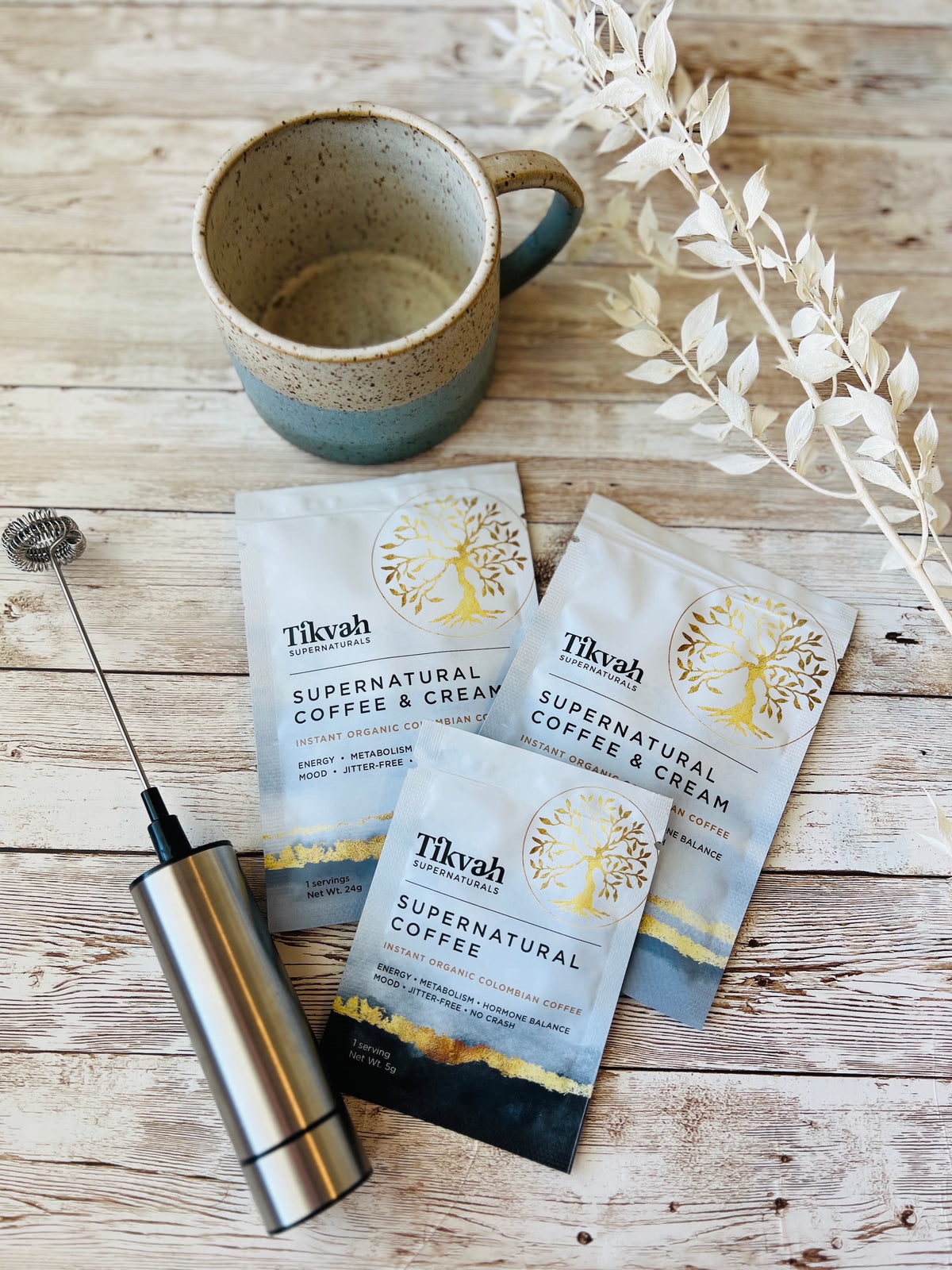
I created our mushroom coffee blend after my recovery because I wanted something that would give me real energy and genuine cortisol support without adding to the load. Adaptogens like reishi mushroom, rhodiola, and maca work with your body's stress response over time. The benefit builds with consistency. And the energy it gives you is calm and steady, not a spike followed by a crash that leaves you more depleted than before.
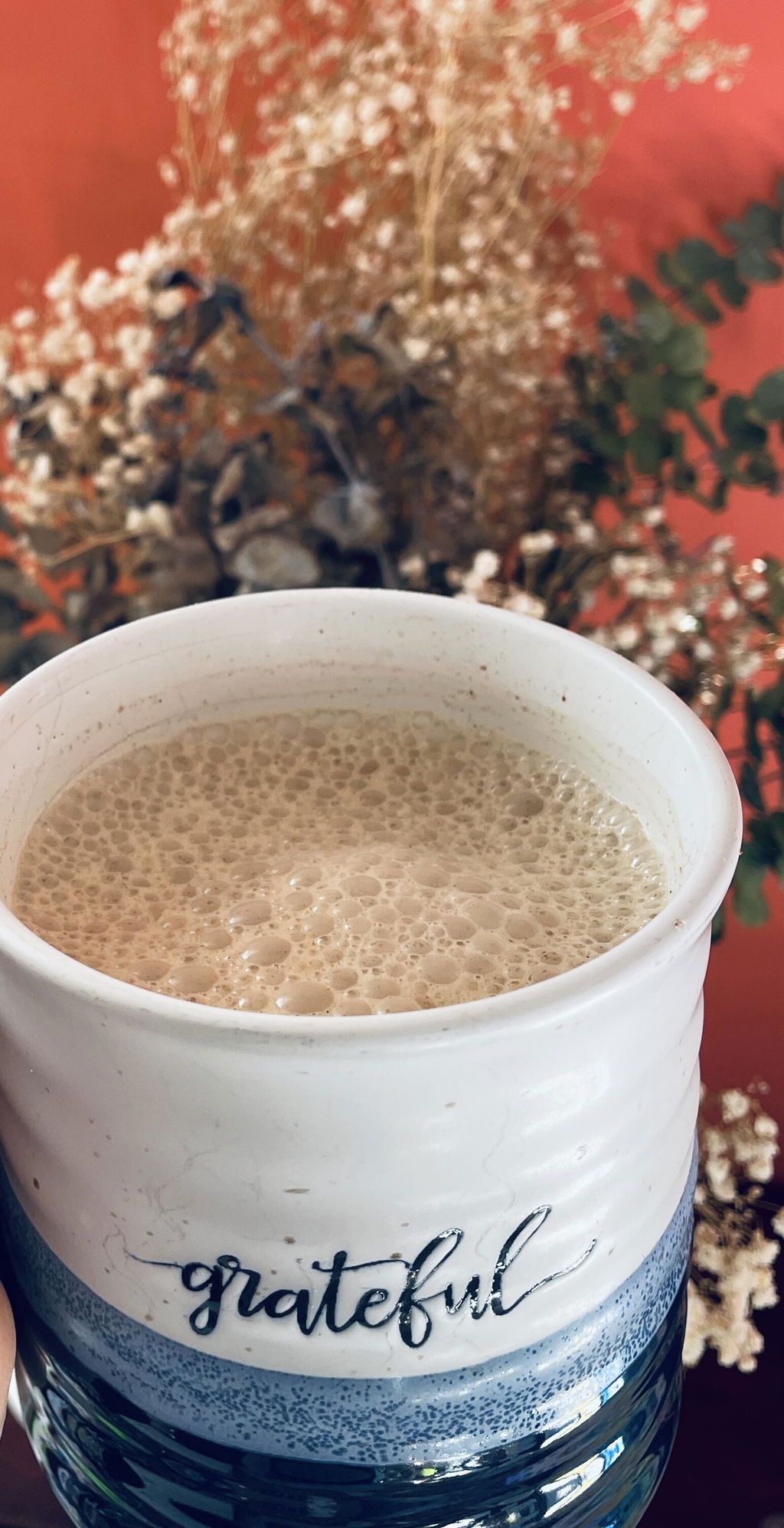
It is a small thing. One cup in the morning. But for a nervous system that is trying to come back to itself, small and consistent is often exactly the right scale.
If you have been pushing hard for a long time, whether at work, in your health, in your relationships, or all of the above, I want to offer you the same thing my mentor offered me.
Sometimes the breakthrough is not in doing more. Sometimes it is in finally doing differently.
And sometimes differently starts with stopping.